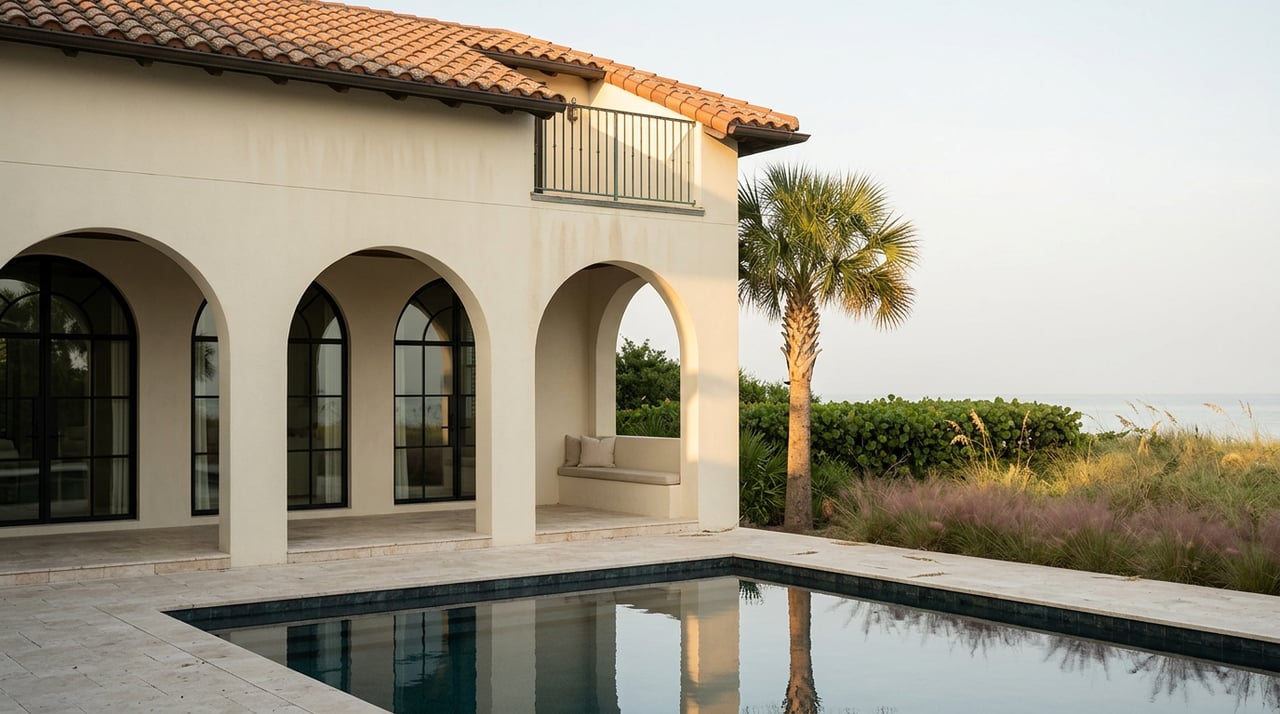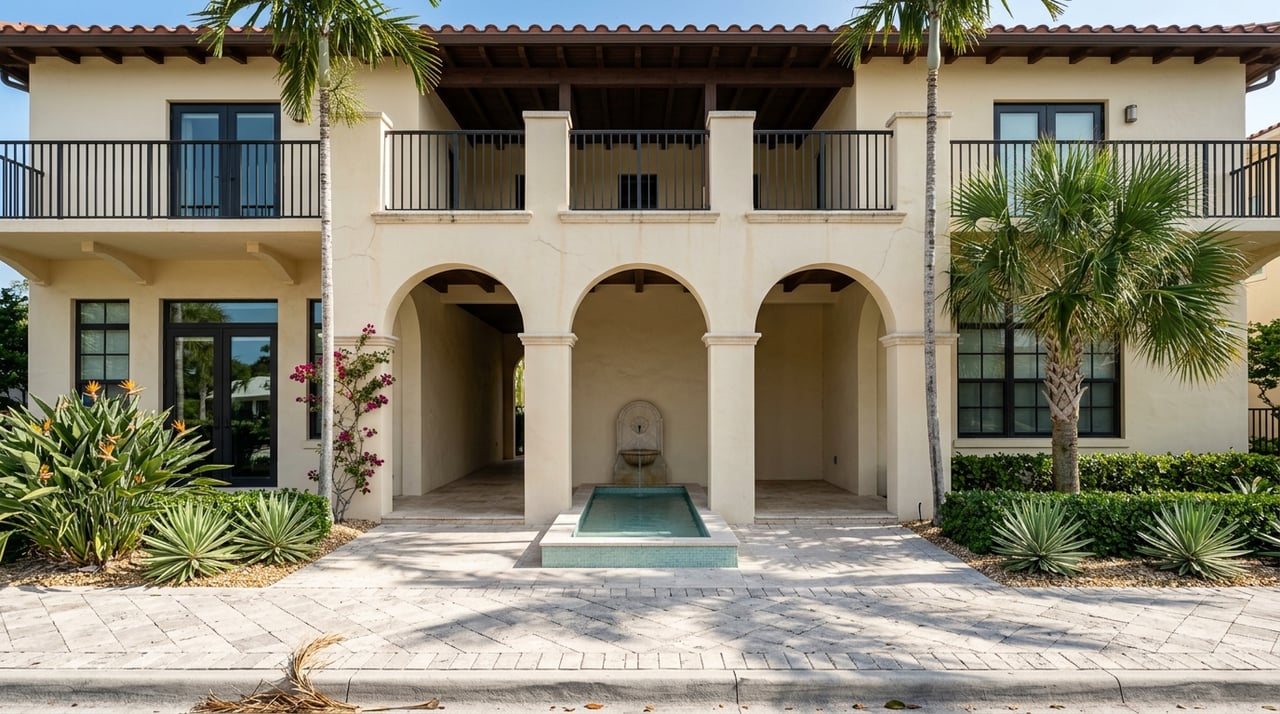
Choosing between a condo and a single-family home in Venice can feel simple at first, until you realize both options can fit the Gulf Coast lifestyle in very different ways. You may love the idea of easy access to downtown and the beach, but still want more privacy, outdoor space, or control over your property. The good news is that the right choice usually becomes clearer once you compare maintenance, monthly costs, insurance, and how you actually plan to live in Venice. Let’s dive in.
Why this choice matters in Venice
Venice offers a lifestyle that appeals to many kinds of buyers. Downtown Venice dates to the 1920s, Venice Beach is less than a mile from downtown, and Centennial Park sits in the center of shops and restaurants. The city also has 14 miles of beaches, more than 30 parks, and a 5-mile trail along the Intracoastal Waterway.
That means your decision is often less about whether you can enjoy Venice and more about how you want to enjoy it. In many cases, both condos and single-family homes can give you access to the same broader lifestyle amenities. The bigger differences usually come down to upkeep, privacy, lot size, and monthly carrying costs.
Condo vs. single-family at a glance
If you are deciding quickly, here is the simplest way to frame it. A condo often works best when you want lower day-to-day exterior responsibility and are comfortable with shared rules and monthly dues. A single-family home often works best when you want more privacy, more outdoor space, and greater control over the property.
Still, Venice is a coastal market, and that adds layers to the decision. Insurance needs, association reserves, and building requirements can affect your long-term budget just as much as the purchase price.
Maintenance responsibilities are very different
Condo maintenance in Venice
Under Florida condo law, the association is responsible for common-element maintenance, while the governing documents may assign certain limited-common-element upkeep in different ways. In practical terms, condo fees often help cover exterior and common-area repairs and may also include services such as water, sewer, trash, and recreational amenities.
For many buyers, this is the biggest benefit of condo ownership. If you want a home that is easier to lock and leave for part of the year, a condo can reduce the amount of exterior maintenance you need to manage yourself.
Single-family home maintenance in Venice
With a single-family home, you are usually responsible for the full range of maintenance and repairs. That can include routine upkeep, exterior repairs, landscaping, and major replacement items such as the roof.
That added responsibility is not always a downside. Some buyers prefer it because it gives them more direct control over decisions, timing, and property appearance.
Do not assume detached means no dues
One important point is that not every detached home is fee-free. Some single-family homes in planned developments still have HOA dues and shared maintenance obligations.
So if you are comparing a condo to a detached home in Venice, look past the property type itself. Ask what services are covered, what responsibilities stay with you, and what recurring dues you should expect.
Privacy, yard space, and control
When a single-family home stands out
If privacy is high on your list, a single-family home usually has the edge. Detached homes typically offer more private yard space, more parking, more storage, and more flexibility for landscaping or exterior changes.
That can be especially important if you want room for hobbies, outdoor entertaining, or a more flexible daily routine. Buyers who want to shape the property around their own preferences often feel more comfortable with a detached home.
When a condo may be enough
A condo usually involves less private land and less exterior control, but that tradeoff can be worth it if your priority is convenience. If you would rather spend your time at the beach, downtown, or enjoying the area’s parks and trails than doing yard work, a condo may align better with your lifestyle.
For some buyers, private outdoor space simply matters less than location and ease of ownership. In that case, the condo option can feel much more efficient.
A note for pet owners
If pets are part of your decision, think carefully about both space and rules. A single-family home may offer more room for pets and more flexibility in how you use outdoor space, while condo communities may have association restrictions you need to review.
Venice also has a useful lifestyle point for dog owners. Brohard Paw Park is the only beach area in Sarasota County where dogs are allowed, which can be a meaningful perk if you are balancing yard space against community convenience.
Budget is more than the purchase price
Venice price differences can be meaningful
January 2026 data from the Venice Area Board of REALTORS showed a median sale price of $470,000 for single-family homes and $300,000 for townhouses and condos. That is a notable gap, although the board states the report reflects member activity and is not limited to one exact Venice city boundary, so it should be treated as a directional benchmark rather than a city-only statistic.
This kind of price spread can make condos look like the easier entry point. In some cases, they are. But the purchase price is only one part of the full cost picture.
Monthly dues change the math
Condo and HOA dues are typically paid directly to the association and are not included in your mortgage payment. Those dues can range from a few hundred dollars per month to more than $1,000 per month.
That is why a lower-priced condo is not always the lower-cost option over time. You need to compare mortgage payment, dues, insurance, utilities, and expected maintenance together, not separately.
Budget for the full carrying cost
Whether you buy a condo or a single-family home, you should plan for more than principal and interest. Buyers should budget for maintenance, repairs, utilities, and any supplementary insurance that may be needed, including flood insurance in some cases.
For condos, there is another layer to consider. Association decisions can affect property values, which means your financial outcome is partly tied to how the community is managed.
Florida condo rules matter in Venice
Reserve studies and inspections can affect dues
Florida’s current condo rules are especially important if you are considering a residential condo building that is three habitable stories or higher. In those buildings, associations must complete a structural integrity reserve study every 10 years.
That study must address major components such as the roof, structure, fireproofing, plumbing, electrical systems, waterproofing or exterior painting, and windows and exterior doors. It also must account for significant deferred maintenance items that meet the statutory threshold.
Milestone inspections can add financial pressure
Milestone inspections are also required for buildings that are three habitable stories or more. Generally, the first inspection is due by the year the building reaches 30 years of age, and then every 10 years after that, although some local enforcement agencies can require the first inspection at 25 years in salt-water-adjacent locations.
These rules matter because they can affect reserve funding, special assessments, and borrowing. Current Florida law also limits the ability of certain condo associations to waive or underfund required reserves.
Why this matters for your decision
If you are considering a condo in Venice, especially in an older or taller building, you should review the association’s budget and reserve position carefully. A condo may still be the right fit, but you want to understand whether the monthly dues reflect healthy long-term planning or whether larger costs may be coming.
These specific milestone inspection rules do not apply to all housing types. The statute excludes single-family, two-family, three-family, and four-family dwellings with three or fewer habitable stories above ground, so detached homes and some lower-rise properties are not subject to the same condo-style structural reserve framework.
Insurance and coastal risk in Venice
Venice’s location is part of its appeal, but coastal exposure should be part of your buying decision. The City of Venice’s resilience planning documents note that the city’s proximity to the Gulf, tidal bays, and inland waterways increases flood risk during high tides, extreme rain, and storm events.
Most homeowners insurance does not cover flood damage, so some buyers may need a separate flood policy. If you are buying a condo, you should also confirm what the association’s master policy covers and what coverage the unit owner is expected to carry.
This is one of the most important practical differences between property types. A single-family home owner may carry broader direct responsibility for the structure, while a condo owner needs to understand the split between association coverage and unit-level coverage.
Which option fits your lifestyle best?
A condo may be right if
- You want a lock-and-leave home for seasonal use or a second home.
- You prefer spending your time at the beach, downtown, parks, or restaurants instead of handling exterior upkeep.
- You value walkability to downtown Venice and Venice Beach more than having a private yard.
- You are comfortable with monthly dues and board-governed community rules.
A condo often fits buyers who want simplicity and convenience first. If your ideal Venice lifestyle is centered on easy access and lower day-to-day maintenance, this option may feel like the better match.
A single-family home may be right if
- You want more privacy and more separation from neighbors.
- You want a private yard, more parking, or more storage.
- You want greater flexibility for landscaping or exterior changes.
- You are prepared to take on more maintenance and long-term repair responsibility.
A single-family home often fits buyers who want more control over their environment. If you plan to live in Venice full-time or want your home to support pets, hobbies, or a more outdoor-oriented daily routine, a detached home may make more sense.
Smart questions to ask before you decide
Before you choose between a condo and a single-family home in Venice, ask these practical questions:
- What exactly do the condo or HOA dues cover?
- What repairs or maintenance would still be your responsibility?
- Is the condo building subject to milestone inspection or structural reserve study requirements?
- How strong are the association reserves, and have there been special assessments?
- If the home is detached, is there still an HOA and what does it manage?
- How close is the property to downtown Venice or Venice Beach, and does that location justify the price?
- What insurance coverage may be needed in this coastal setting?
These questions help you move from a general preference to a financially sound decision. That is often where the clearest answer appears.
The best Venice choice is the one that fits you
There is no universal winner between a condo and a single-family home in Venice. The better option depends on how you want to live, how much maintenance you want to manage, how you feel about shared governance, and how you want your monthly and long-term costs to look.
If you want lower exterior responsibility and easy access to Venice’s beach and downtown lifestyle, a condo may be the better fit. If you want more privacy, more outdoor space, and greater control, a single-family home may give you more of what you need.
A thoughtful decision here is both personal and financial. If you want help comparing options through that lens, Priya Acharya PLLC can help you evaluate the tradeoffs with clear local insight and a disciplined, high-touch approach.
FAQs
Is a condo or single-family home better for seasonal living in Venice?
- A condo is often a better fit for seasonal living if you want a lock-and-leave property with less exterior maintenance.
Are condo fees included in a Venice mortgage payment?
- No. Condo fees or HOA dues are usually paid directly to the association and are generally not included in the mortgage payment.
Do all Venice condos have the same reserve and inspection requirements?
- No. Florida’s structural reserve study and milestone inspection rules apply to certain condo buildings, especially those that are three habitable stories or higher.
Can a Venice single-family home still have HOA fees?
- Yes. Some detached homes in planned developments still have HOA dues and shared maintenance obligations.
Does a Venice condo always cost less than a single-family home?
- Not always. Condos may have a lower purchase price, but dues, insurance, reserve funding, and possible special assessments can change the total cost.
What insurance questions matter when buying in Venice?
- You should ask about flood risk, whether separate flood insurance may be needed, and for condos, what the master policy covers versus what the unit owner must insure.