Trying to choose between a waterfront home and an interior home on Bird Key? It is one of the most important decisions you can make on this island, and it shapes more than your view. Your daily lifestyle, maintenance responsibilities, privacy, and renovation options can all look very different depending on the lot you choose. If you want a clear way to weigh both options before you buy, this guide will walk you through the tradeoffs. Let’s dive in.
Bird Key Starts With Lot Type
Bird Key is a fully built-out island community, so your decision is not really about waiting for future development or guessing how the neighborhood may expand. Instead, it is about choosing the parcel type that best matches how you want to live.
According to the Bird Key Homeowners Association, the original 1959 Arvida plan created 511 lots, including 291 waterfront lots and 220 off-water lots. That means about 57% of the original inventory is waterfront and 43% is interior or off-water, which gives buyers a meaningful split between two very different ownership experiences.
Waterfront on Bird Key Is Not One Thing
When buyers picture a Bird Key waterfront home, they often imagine a single category. In reality, waterfront here includes canal-front lots, bayfront lots, and waterfront corner lots, and each can come with different setback and dock considerations.
That distinction matters because the lot’s relationship to the canal, bay, or both can affect how you use the property. On Bird Key, waterfront ownership is closely tied to the shape of the parcel, the edge conditions, and the rules that come with the shoreline.
What Makes Waterfront Appealing
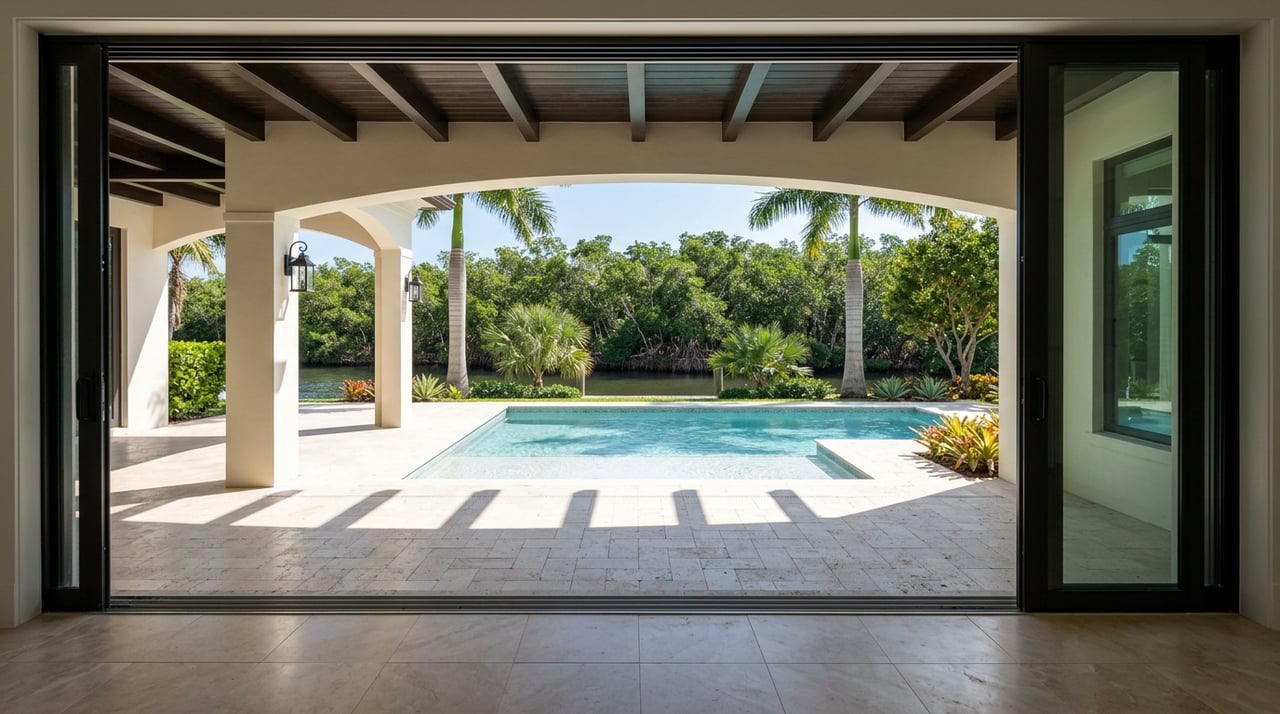
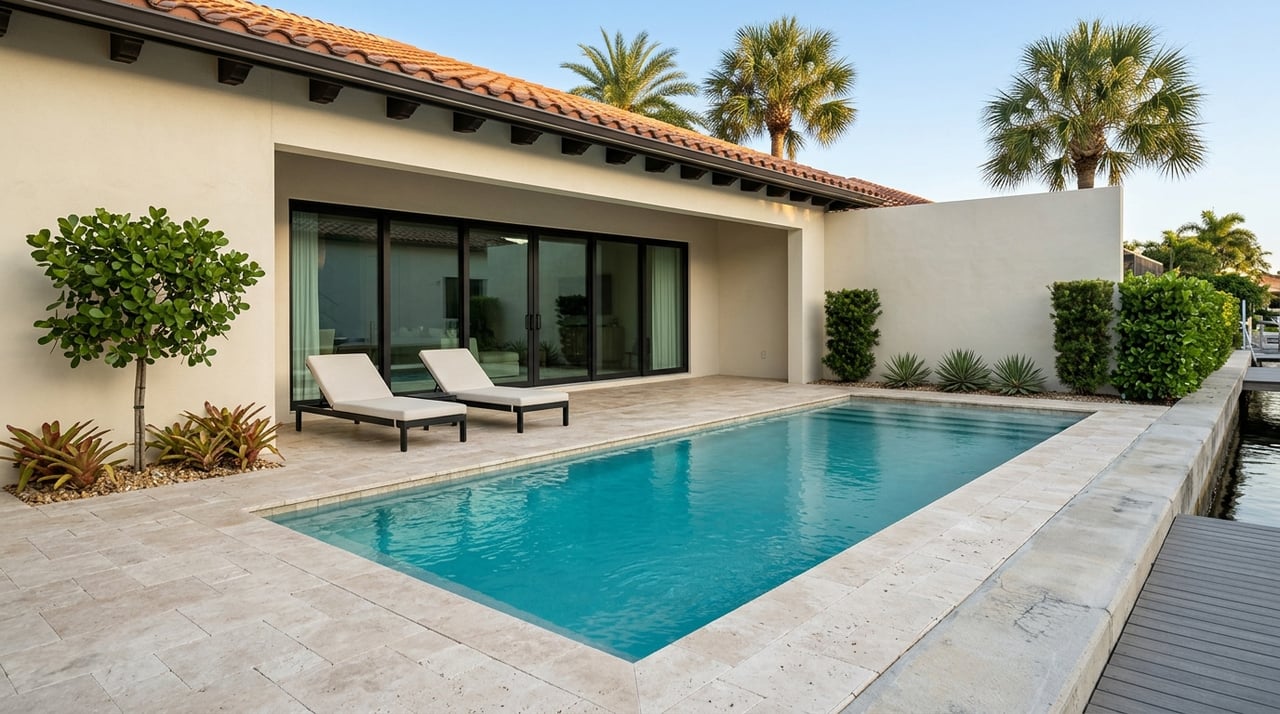
For many buyers, the main draw is simple: the water becomes part of everyday life. If you want a private dock or lift, frequent boating access, or water views as a daily amenity, waterfront can be a strong fit.
Bird Key Yacht Club describes the area as protected Sarasota Bay with direct access to the Intracoastal Waterway, Longboat Pass, and the open Gulf. Its marina includes 42 slips for vessels from 28 to 52 feet, lifts for 28-foot boats, pump-out, electricity, water, and guest docks, which helps show why Bird Key remains attractive to boating-oriented households.
Waterfront Rules to Know
The lifestyle upside comes with real design constraints. The Bird Key handbook states that waterfront lots have a 30-foot rear setback, and waterfront corner lots have a 30-foot setback on the water side.
Dock placement also has limits. Docks and pilings may not extend within 15 feet of the extended side property boundary or more than 20% into the width of a canal, and bayfront docks are also subject to city requirements.
On top of HOA standards, waterfront improvements are regulated by local government. Sarasota County treats dock and pier construction as regulated work for riparian properties, and the City of Sarasota includes a dock-construction checklist in its permitting materials.
Why Interior Homes Often Feel Simpler
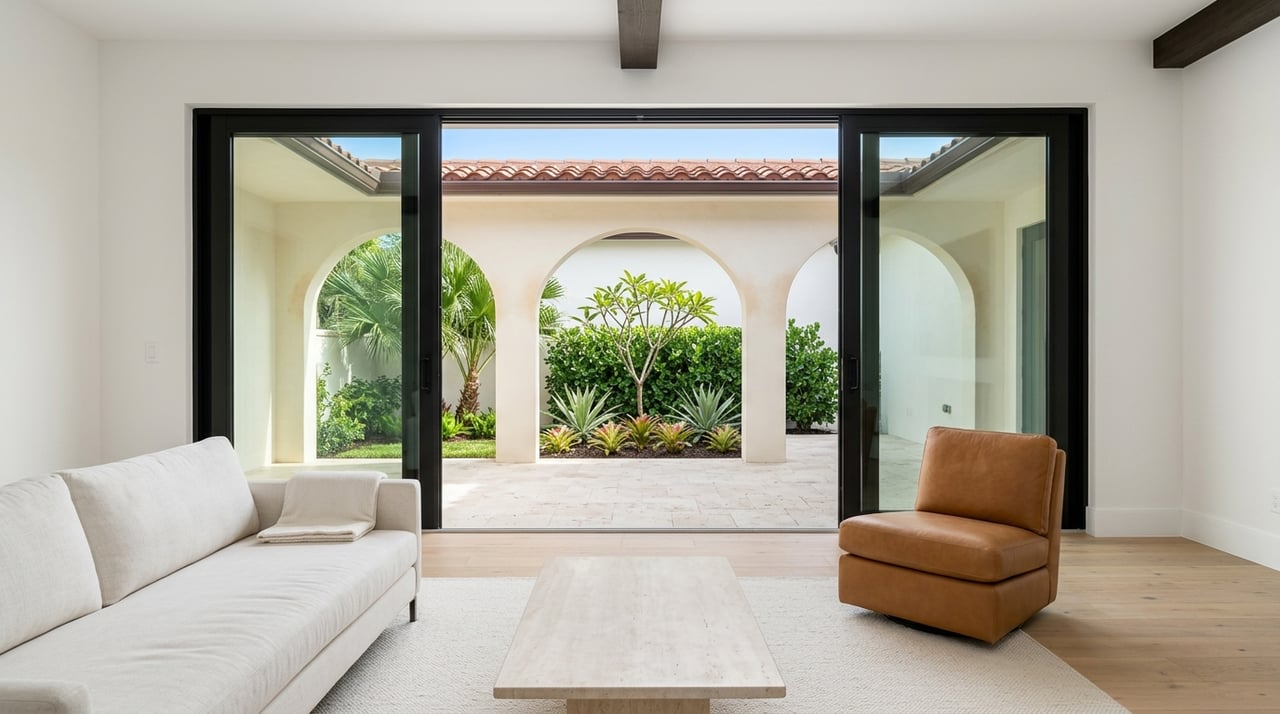
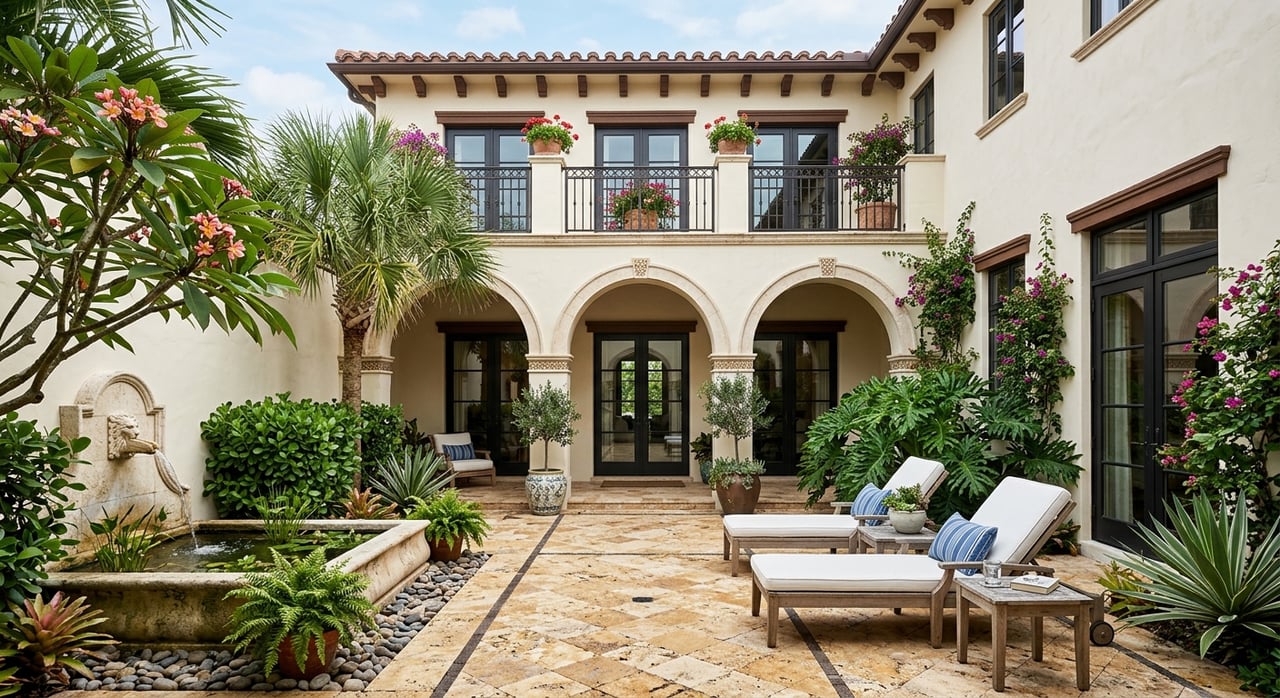
Interior lots on Bird Key are referred to in the handbook as garden homes. For many buyers, they offer a more straightforward ownership profile while still delivering the Bird Key location and island setting.
One of the biggest practical advantages is the setback structure. Interior garden lots generally have a 15-foot rear setback rather than the 30-foot rear setback typical of waterfront lots, which can create more flexibility for outdoor planning.
More Flexibility for Yard Design
That extra flexibility can matter if you are thinking about a pool, patio, landscaping plan, or general backyard layout. Without having to design around seawalls, docks, or water-edge geometry, interior lots can feel easier to configure.
Interior corner lots also follow a different setback pattern from waterfront corner lots. In practical terms, that can simplify design decisions for buyers who want outdoor living space without the extra layer of shoreline-related restrictions.
Privacy May Be Easier on Interior Lots
Privacy is another point many buyers overlook at first. Bird Key’s handbook limits structures, walls, fences, hedges, and contiguous shrubs to 4 feet within 25 feet of the curb or waterway boundary, but it allows taller hedges in the rear setbacks of interior garden lots and in most side setbacks.
That means interior parcels generally offer more screening options than waterfront parcels. Waterfront homes often trade some privacy for broader views and a more open relationship to the water.
Maintenance and Carrying Costs Matter
Every home on Bird Key comes with HOA oversight. The governing documents cap homes at two stories and 37 feet in height, and the association requires approval for most exterior changes.
The handbook requires prior written approval before work begins on items such as roofs, pools, pool cages, seawalls, docks, fences, gazebos, pergolas, driveways, and landscaping. The City of Sarasota’s Bird Key affidavit also makes clear that a city permit does not exempt an owner from HOA requirements.
Waterfront Usually Means More Moving Parts
If you buy waterfront, you should expect more layers of review when improvements involve marine elements. A dock, seawall, or lift project may require both HOA review and local permitting.
Waterfront ownership can also bring additional upkeep tied to the shoreline itself. Buyers should pay close attention to seawall condition, dock or lift maintenance, flood exposure, and potential storm-related repairs.
Interior Ownership Can Be More Streamlined
Interior owners still need to follow HOA rules, but they usually avoid most dock-and-seawall issues. That can make ownership feel simpler, especially if you prefer a property that requires fewer specialized inspections and less marine infrastructure maintenance.
For some households, that ease is a major benefit. You still enjoy Bird Key’s island setting while reducing the number of moving parts that often come with direct water frontage.
Flood Zone Review Is Essential
No matter which type of home you prefer, flood due diligence should be part of your decision. The City of Sarasota advises buyers to verify flood zones through the Sarasota County Flood Zone Locator.
The city also states that it participates in FEMA’s National Flood Insurance Program and provides flood-zone, elevation, and building-requirement information for properties in flood areas. On a parcel-by-parcel basis, this review can help you better understand both risk and future planning considerations.
How to Decide Which Fit Is Right
The best choice often comes down to how you want to use the home day to day. A waterfront lot may be worth the added complexity if boating access, water views, and a dockside lifestyle are central to your goals.
An interior home may be the better fit if you value simpler ownership, more screening options, and greater flexibility for yard use. On Bird Key, both can be appealing, but they serve different priorities.
Choose Waterfront If You Want
- A private dock or lift
- Frequent boating access from home
- Direct water views as part of daily living
- A property that supports a strong boating lifestyle
- Comfort with added maintenance tied to seawalls, docks, permits, and flood exposure
Choose Interior If You Want
- A simpler ownership profile
- More flexibility for landscaping and backyard layout
- Fewer marine systems to maintain
- More screening potential in certain yard areas
- The Bird Key location without the full water-edge responsibility
Bird Key Due Diligence Checklist
Before you make an offer, it helps to review each property at the parcel level rather than rely on broad assumptions. On Bird Key, small lot differences can have a real impact on use and long-term costs.
Here are four items worth verifying before you move forward:
- The exact lot type and applicable setback pattern
- The current flood zone for the property
- The condition and permit history of any dock or seawall
- The Bird Key HOA requirements tied to your planned use, renovation, or exterior updates
Because Bird Key is fully built out and exterior changes are tightly reviewed, this step can save time and help you buy with more confidence.
If you are comparing Bird Key waterfront and interior homes, the right answer is rarely just about price or curb appeal. It is about choosing the ownership profile that fits your lifestyle, maintenance comfort level, and long-term goals. When you evaluate the lot itself with the same care as the house, you put yourself in a much stronger position to make a smart purchase.
If you want a tailored Bird Key property review with a pricing and lot-use lens, schedule a personalized consultation with Priya Acharya PLLC.
FAQs
What is the difference between Bird Key waterfront and interior homes?
- Bird Key waterfront homes sit on canal-front, bayfront, or waterfront corner lots and may offer direct water access, while interior homes are off-water garden lots that usually have a simpler ownership and maintenance profile.
Are there more waterfront or interior lots on Bird Key?
- According to the Bird Key Homeowners Association, the original plan created 291 waterfront lots and 220 off-water lots, so waterfront lots make up about 57% of the original inventory.
Do Bird Key waterfront lots have different setback rules?
- Yes. The Bird Key handbook states that waterfront lots generally have a 30-foot rear setback, and waterfront corner lots also have a 30-foot setback on the water side.
Are interior homes on Bird Key easier to maintain?
- In many cases, yes. Interior homes usually avoid seawalls, docks, and other marine infrastructure, which can reduce the number of specialized maintenance items compared with waterfront properties.
What should you verify before buying a Bird Key home?
- You should verify the exact lot type, setback pattern, flood zone, any dock or seawall permit history, and the HOA rules that apply to your intended use or renovation plans.
Do you need HOA approval for exterior work on Bird Key?
- Yes. The Bird Key handbook requires prior written approval for many exterior projects, including roofs, pools, pool cages, seawalls, docks, fences, driveways, and landscaping.