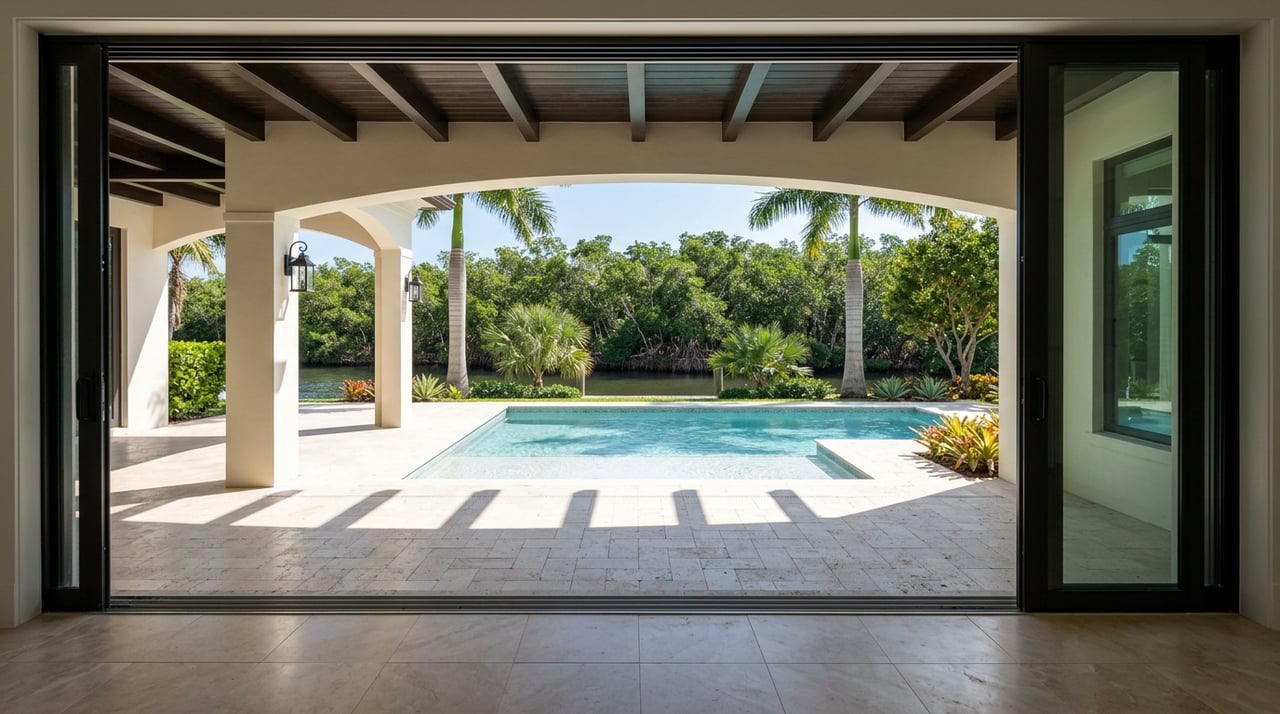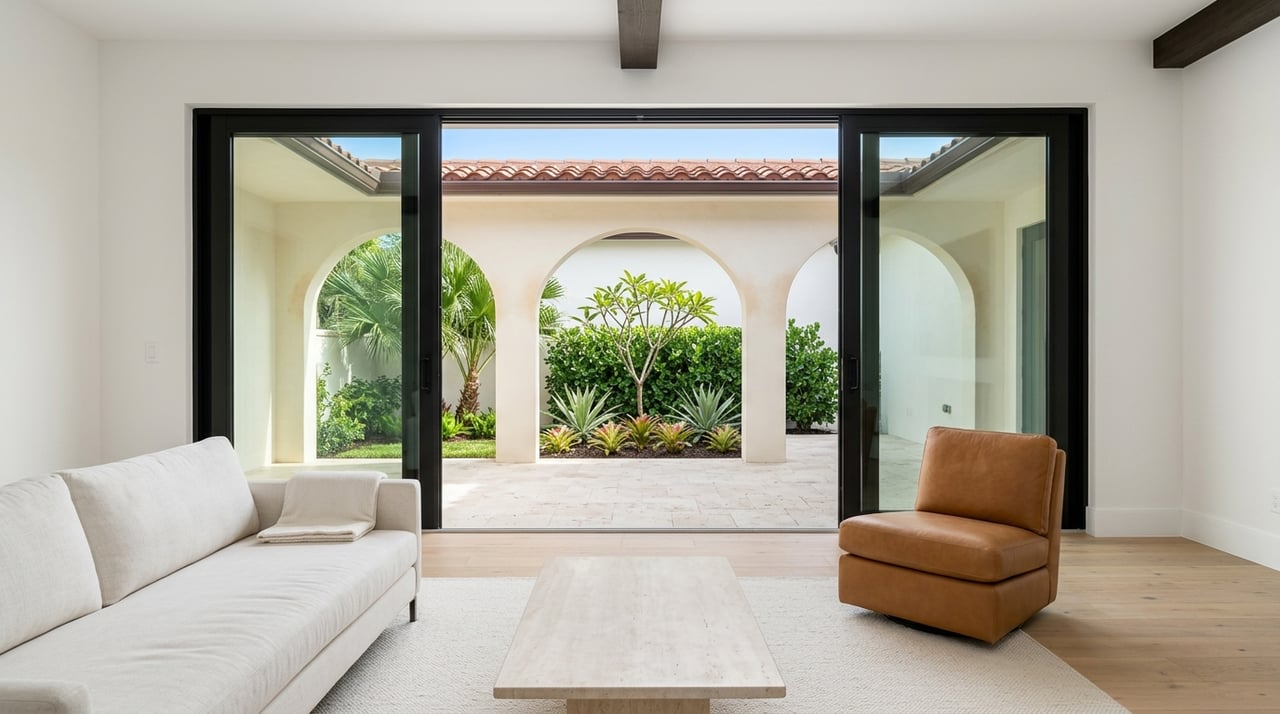
If you are dreaming about a Siesta Key getaway that can also help offset ownership costs, you are not alone. Many second-home buyers want the best of both worlds: personal use in one of Sarasota’s most sought-after coastal settings and realistic rental income when they are away. The key is knowing that rental potential on Siesta Key depends on more than beach appeal alone. Let’s dive in.
Why Siesta Key rental planning starts with location
On Siesta Key, parcel location is your first underwriting question. That is because the island is not governed by one simple set of rental rules, and city and county requirements do not always match.
Sarasota County’s coastal-islands planning materials note that the northern portion of Siesta Key includes land within the City of Sarasota limits. At the same time, Sarasota County’s rental guidance treats Siesta Key as a barrier-island area with its own leasing framework. For you as a buyer, that means two homes with similar views or price points may have very different rental options based on jurisdiction alone.
Siesta Key also supports both lifestyle ownership and visitor demand. Official materials describe a mix of single-family homes, duplexes, multifamily structures, condos, and vacation-oriented stays, which is part of what makes the island attractive for second-home buyers looking at dual use.
Understand city versus county rules
Before you estimate income, confirm whether the property is in the City of Sarasota or unincorporated Sarasota County. That one detail can shape your minimum stay strategy, compliance steps, and the type of guest experience you can realistically offer.
City of Sarasota rental rules
If your property is within the City of Sarasota limits, current vacation-rental rules require a 7 full day and 7 full night minimum stay for short-term vacation rentals. The city also requires registration, inspection, annual renewal, a designated responsible party available 24/7, and advertising that meets city requirements.
The city’s application materials also call for a local business tax receipt and proof of tourist-tax remittance. In practice, that means a city property may be better suited to a weekly rental approach than a high-turnover vacation model.
Sarasota County barrier-island rules
Sarasota County’s current guide says that on the barrier islands of Siesta, Casey, and Manasota Keys, leases may be less than 30 days and short-term rental use is allowed. That can create more flexibility than some inland districts, where leases in other RMF areas must be at least 30 days.
Still, not every transient-lodging concept is treated the same way. The same county guide says bed-and-breakfast uses are prohibited in the Siesta Key Overlay District, so it is important not to assume that any visitor-oriented use automatically fits.
Florida rules still matter
Florida law adds another layer to the planning process. State law says local governments may not prohibit vacation rentals or regulate the duration or frequency of vacation rentals in the same way they regulate other uses, while still allowing inspections for building and fire-code compliance.
The Florida Department of Business and Professional Regulation also says owners of new public lodging establishments, including vacation rental dwellings, must obtain a license before operating. For you, that means local approval is only part of the picture. State-level compliance should be part of your timeline and budget.
Taxes can change your returns fast
One of the biggest mistakes second-home buyers make is focusing on gross rent instead of net income. On Siesta Key, taxes alone can materially affect your real numbers.
Sarasota County says the tourist development tax is 6% on rentals of six months or less, and that is in addition to the 7% state sales tax in Sarasota County. Just as important, the county says these taxes apply not only to rent but also to related charges such as cleaning fees, accidental damage insurance, pet fees, utility fees, and roll-away bed fees.
That means your income model should not stop at nightly or weekly rent. If you are comparing two properties, the better investment may be the one with the cleaner operating structure, not just the higher headline rate.
HOA and condo rules can override your assumptions
Even if a property appears rental-friendly from a city or county standpoint, the association may tell a different story. Sarasota County’s tax office specifically directs owners to check HOA bylaws for rental-specific information.
This is especially important on Siesta Key, where many second-home options are condos or homes within deed-restricted communities. A community may impose minimum lease terms, occupancy limits, parking rules, approval processes, or other restrictions that affect how often you can rent and how easily guests can use the property.
What to review before you buy
For condominiums, Florida law entitles a prospective purchaser to current copies of key documents, including the declaration, articles of incorporation, bylaws, rules, and financial documents. For homeowners associations, official records include the declaration, bylaws, articles, current rules, and financial records.
Before you rely on rental projections, review:
- Minimum lease periods
- Guest and occupancy rules
- Parking restrictions
- Board approval requirements
- Financial health of the association
- Rules that affect advertising or property use
A strong title and document review can help you avoid buying a beautiful property that does not match your rental plan.
Seasonality affects rental strategy
Siesta Key sits in a tourism-driven coastal market, and Sarasota County tourism materials describe peak season as January through April. That seasonality can create strong demand windows, but it also means your annual income may not be evenly distributed throughout the year.
If you plan to offset ownership costs, it helps to think in terms of a full 12-month calendar. Peak-season performance may look attractive, but your underwriting should also reflect quieter periods, vacancy, and your own planned owner-use dates.
Insurance and flood considerations matter
Coastal ownership comes with carrying costs that can shift over time. City of Sarasota development services has flagged FEMA flood-map changes effective March 2024 that may affect flood zones, insurance, and building rules.
For a second-home buyer, this matters because insurance can directly affect affordability and rental performance. A property with appealing projected revenue may still underperform your expectations if flood-related costs, compliance work, or coverage changes materially increase annual expenses.
How to underwrite a Siesta Key second home
If you are approaching this purchase with both lifestyle and investment goals in mind, a disciplined framework can help. Priya Acharya’s finance-backed approach is especially valuable here because rental potential should be tested with numbers, not assumptions.
Start with net income, not gross income
A practical Siesta Key model should include:
- Seasonal demand patterns
- Tourist and sales taxes
- Insurance costs
- HOA or condo fees
- Cleaning expenses
- Management fees
- Vacancy assumptions
- City or state compliance costs
This gives you a more realistic view of whether the home supports your goals or simply looks good on paper.
Confirm the property in the right order
On Siesta Key, due diligence works best in a clear sequence. Start by confirming exact jurisdiction, then check zoning and local rental rules, then review association documents, and then price out insurance and property management before treating projected rent as reliable.
That order helps you avoid spending time on financial projections for a property that may not support your intended use.
What makes a good fit for your goals
The best Siesta Key second home is not always the one with the highest possible gross rent. It is the one that aligns with how you want to use the property, what rules apply to that parcel, and how comfortably the numbers work after expenses.
For some buyers, that may be a condo with straightforward maintenance and a known rental pattern. For others, it may be a single-family home in a location where personal enjoyment comes first and rental income plays a supporting role.
If the property falls within the city portion of Siesta Key, a weekly-or-longer stay model is often the more realistic path. If it is in county jurisdiction on the barrier island, short-term flexibility may be broader, but you still need to verify association and tax details carefully.
Plan before you fall in love
Siesta Key can be an exceptional place to own a second home, but success comes from planning early. When you identify the right jurisdiction, understand the real operating costs, and match the property to your personal-use and rental goals, you can move forward with much more confidence.
If you are considering a second home on Siesta Key and want a more disciplined, property-specific view of rental potential, Priya Acharya PLLC can help you evaluate the opportunity with local insight and a valuation-first lens.
FAQs
What rental rules apply to a second home on Siesta Key?
- Rental rules depend first on whether the property is inside the City of Sarasota or in unincorporated Sarasota County, because the two jurisdictions have different requirements.
What is the minimum stay for City of Sarasota vacation rentals on Siesta Key?
- If the property is within City of Sarasota limits, current rules require a 7 full day and 7 full night minimum stay for short-term vacation rentals.
Can you rent a Siesta Key property for less than 30 days?
- In Sarasota County’s barrier-island areas that include Siesta Key, the current guide says leases may be less than 30 days and short-term rental use is allowed, subject to other applicable rules.
What taxes apply to Siesta Key short-term rentals?
- Sarasota County says rentals of six months or less are subject to a 6% tourist development tax plus 7% state sales tax in Sarasota County, and related charges like cleaning and pet fees may also be taxable.
Why should you review HOA or condo documents before buying on Siesta Key?
- Association documents may include rental restrictions, occupancy rules, parking limits, or approval requirements that can affect whether the property fits your second-home and rental goals.
How should you evaluate rental potential for a Siesta Key second home?
- The most reliable approach is to underwrite net income by factoring in taxes, insurance, fees, management, cleaning, vacancy, and seasonality instead of relying only on gross rent estimates.