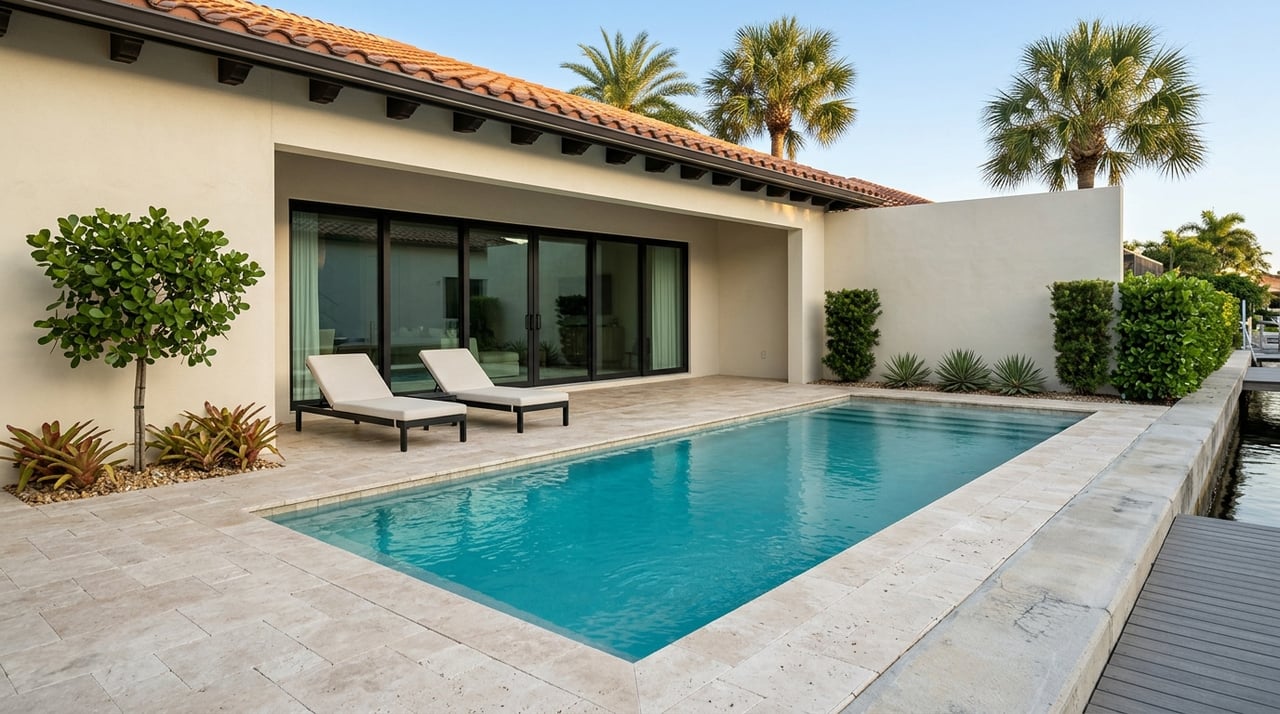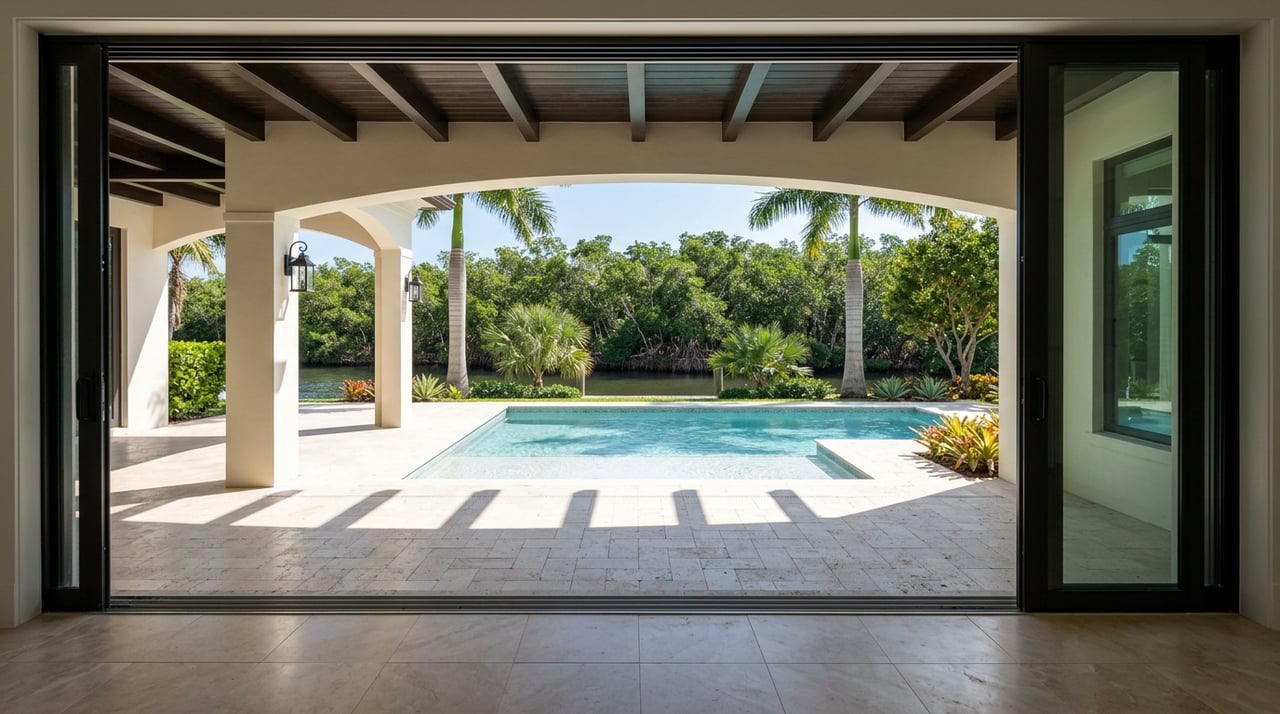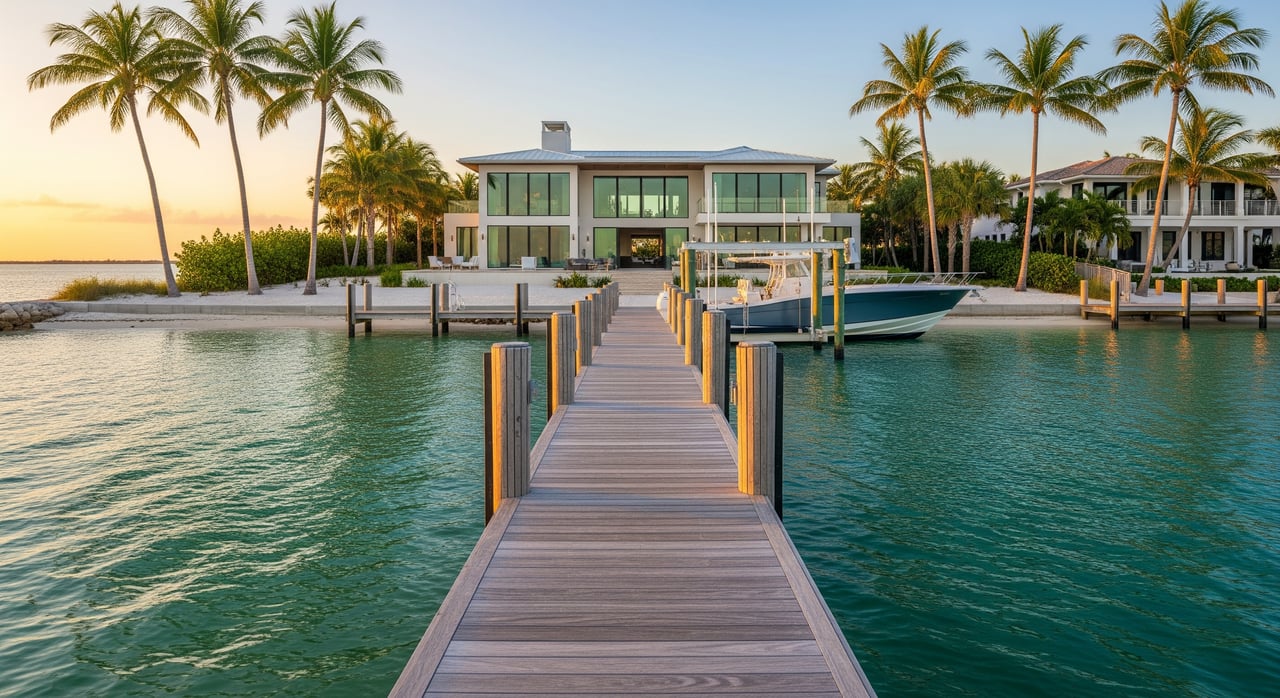
How much is your Siesta Key view, dock, and beach access really worth? If you own or want to buy on the island, pricing a waterfront home can feel tricky. You want a number that reflects lifestyle and market reality, not guesswork. In this guide, you’ll learn which factors move price the most on Siesta Key and a simple framework to build a confident pricing range. Let’s dive in.
What drives value on Siesta Key waterfront
Waterfront class and orientation
Not all waterfront is priced the same. Direct Gulf frontage holds the top premium for unobstructed beach and water views. Bayfront on the Intracoastal appeals to boaters who want protected deep water. Canal-front values range widely based on depth, width, and how direct the route is to the Intracoastal. Keep your comps within the same class to avoid over- or under-pricing.
Water depth and navigability
Depth at mean low water decides what size boat you can keep at your dock. Deeper water that supports larger boats earns a premium. Shallow or shoaled canals reduce utility and value. Check for tidal restrictions, dredging history, and whether neighboring docks squeeze the channel.
Dockage: presence, type, and permits
A permitted private dock with functional pilings, power, water, and a lift is a high-impact amenity. A shared dock or no dock changes buyer appeal. Confirm permits, age, lift capacity, and condition. Treat an unpermitted or deteriorated dock conservatively until you have replacement and permitting estimates.
Views and privacy
Unobstructed Gulf or wide-bay views are worth more than partial or blocked views. Sight-lines, surrounding buildable lots, and elevation all matter. Privacy from neighboring homes increases desirability.
Beach proximity and legal access
Deeded beach access or very close proximity to Siesta Key’s white sand adds clear value. Document distance, walkability, and how you access the beach. Know whether crossing a public right-of-way or relying on public access affects everyday use.
Renovation quality and storm readiness
Turnkey, updated homes with wind-mitigation features often command a premium. Buyers value newer roofs with proper strapping, impact protection, elevated equipment, and sound mechanical systems. If meaningful repairs are needed, base adjustments on realistic cost-to-cure and the way buyers price convenience on Siesta Key.
Flood zone, elevation, and insurance
Flood zone and elevation influence insurance requirements and carrying costs. Properties in AE or VE zones may face higher premiums and lender conditions. Elevation certificates, seawall condition, and any history of repairs after storms can affect buyer confidence and price.
Rental potential and rules
Short-term rental demand is strong on Siesta Key, but rules vary by property type, HOA, and local code. For investors, income assumptions, seasonality, and compliance with local licensing and taxes shape value. Always confirm what is allowed before using projected rental revenue to set price.
Lot size, frontage, parking, and amenities
Wider beachfront or bay frontage, functional parking, and walkability to dining and shops add to appeal. Zoning setbacks and deed restrictions can limit expansion and should be factored into pricing.
Market supply and seasonality
Inventory on the island is tight and demand is seasonal. Use the most recent 6 to 12 months of closed sales within the same waterfront class. Weigh current inventory and buyer activity so you do not anchor to stale peak-season comps.
A step-by-step pricing framework you can use
Step 1: Define the waterfront class
Label the home as Gulf-front, Gulf-view, Bayfront, Canal-deep, Canal-shallow, or Non-waterfront. This sets your comparison lane.
Step 2: Pull like-kind sold comps
Use closed sales from the last 6 to 12 months, extend to 18 to 24 months if inventory is thin. Filter by waterfront class, similar lot frontage, living area within about 20 percent, bedrooms and baths, and renovation level. Skip expired or withdrawn listings.
Step 3: Set a baseline price
Start with average price per square foot or price per lot-foot from the closest matching comps. If there are few direct comps, identify the nearest inland baseline and apply observed waterfront premiums from recent island sales.
Step 4: Apply adjustments in order
Prioritize adjustments in a consistent sequence so you do not double count:
- Waterfront class and orientation
- Dockage and water depth or access
- Unobstructed views and privacy
- Beach proximity and deeded access
- Renovation and condition
- Flood zone, elevation, and insurance impact
- Rental potential and restrictions
- Lot size, frontage, parking, and neighborhood amenities
Estimate each adjustment using local solds, cost-to-cure, or a percentage premium. Keep notes that show how you derived each number.
Step 5: Value the dock correctly
If a dock exists, verify permits and condition. Use local replacement cost as a floor, then account for market premium on permitted, ready-to-use docks and lifts. Treat unpermitted or end-of-life docks as a risk until you have contractor quotes.
Step 6: Cross-check with income if relevant
For investor-minded properties, build a seasonal income model. Estimate achievable gross revenue, subtract realistic vacancy and expenses, and apply a local cap rate or use a gross rent multiplier from similar STRs. If the income-driven value and comps do not align, revisit your assumptions.
Step 7: Net out coastal carrying costs
Account for flood and wind insurance, seawall or dock maintenance, and any HOA assessments. Lender requirements can reduce the buyer pool and should be reflected in your range.
Step 8: Reconcile and run scenarios
Compare your comp-based number, income cross-check, and dock or seawall replacement realities. Create conservative, mid, and optimistic scenarios that show how changes in insurance, repair needs, or rental assumptions shift price.
On-site checklist before you price
- Waterfront and dock: measure dock length, confirm lift capacity, inspect pilings and decking, note corrosion or rot, and observe low-tide depth if possible.
- Seawall or bulkhead: look for settlement, cracks, scour, and repairs. Photograph condition and permit stickers.
- Elevation and flood: review elevation certificate, look for flood vents, and note property height relative to the street.
- Structure and systems: check roof age and attachment, impact protection, HVAC and electrical elevations, and any signs of water intrusion.
- Access and parking: confirm driveway usability, garage capacity, and guest parking.
- Views and obstructions: document current sight-lines and identify nearby buildable lots.
- Legal items: verify deeded beach access or riparian rights, HOA or condo rental rules, and prior assessments.
Rental potential and rules to confirm
If income matters to your pricing, validate three things before you rely on projections:
- What the county, HOA, or condo documents allow for minimum stays and guest frequency.
- Seasonal occupancy and achievable nightly rates for similar waterfront class and size.
- Compliance requirements such as local licensing and transient rental taxes.
Build your income view from actual comparable rentals and confirm the rules in writing. Seasonality on Siesta Key is real, which is why realistic vacancy and management expenses are key to accurate valuation.
Coastal risk, flood, and insurance essentials
Your flood zone and elevation will influence insurance requirements for lenders. VE zones often face stricter conditions than AE. An up-to-date elevation certificate makes pricing more credible and sharpens insurance estimates. Also assess the age and condition of seawalls and docks. Recurring maintenance and replacement timing affect net ownership costs and should be reflected in your price range.
Common pricing mistakes to avoid
- Using inland or non-waterfront sales to price a waterfront premium without proof from recent island comps.
- Ignoring dock or seawall permitting status and condition.
- Overlooking flood zone, elevation, and the impact of insurance on buyer affordability.
- Leaning on list prices instead of closed sales, especially in changing market conditions.
- Assuming all canals are deep water. Depth and navigability vary and strongly influence value.
Who to bring onto your team
- Coastal appraiser or waterfront-savvy appraiser to validate class-specific adjustments.
- Licensed marine and dock contractor to price dock and lift replacement or repair.
- Surveyor who can provide an elevation certificate and confirm boundaries.
- Structural or civil engineer if there are seawall or foundation concerns.
- Floodplain or insurance specialist for realistic flood and wind premium estimates.
- A local real estate broker with Siesta Key waterfront experience to source the right comps and market context.
- Local permitting contacts to verify dock and seawall permits and coastal rules.
How we help sellers and buyers on Siesta Key
You deserve pricing that reflects both lifestyle and numbers. With a finance background and a Pricing Strategy Advisor mindset, we combine island market expertise with disciplined valuation. For sellers, that means tighter comp selection by waterfront class, verified dock and seawall insights, and a clear range you can stand behind. For buyers and investors, it means reliable guidance on water depth, rental rules, flood considerations, and how those shape long-term value.
If you are weighing a move or want a private pricing consult for your Siesta Key property, connect with the boutique, high-touch team at Priya Acharya PLLC. We will tailor comps, coordinate the right specialists, and present a clear plan to help you move forward with confidence.
FAQs
How do I compare Gulf-front and bayfront pricing on Siesta Key?
- Keep comps within the same waterfront class and adjust for view quality, beach access, renovation, flood zone, and dock utility, then reconcile with the most recent closed sales.
How does canal depth affect price for boaters on Siesta Key?
- Deeper mean low water that supports larger boats typically commands a premium, while shallow or shoaled canals reduce utility and require discounts tied to local sales and potential maintenance.
How do flood zones and elevation impact offers and loans?
- Homes in AE or VE zones may require flood insurance and stricter lender terms, so confirm the elevation certificate and expected premiums to understand buyer affordability and price.
What is the best way to value a dock and lift in pricing?
- Verify permits and condition, estimate local replacement cost, then add a market premium for a permitted, functional dock and lift, treating unpermitted structures conservatively.
What should investors confirm about short-term rentals on Siesta Key?
- Verify county and HOA rules for minimum stays, confirm seasonal occupancy and rates from comparable rentals, and ensure compliance with licensing and transient taxes before using income in valuation.