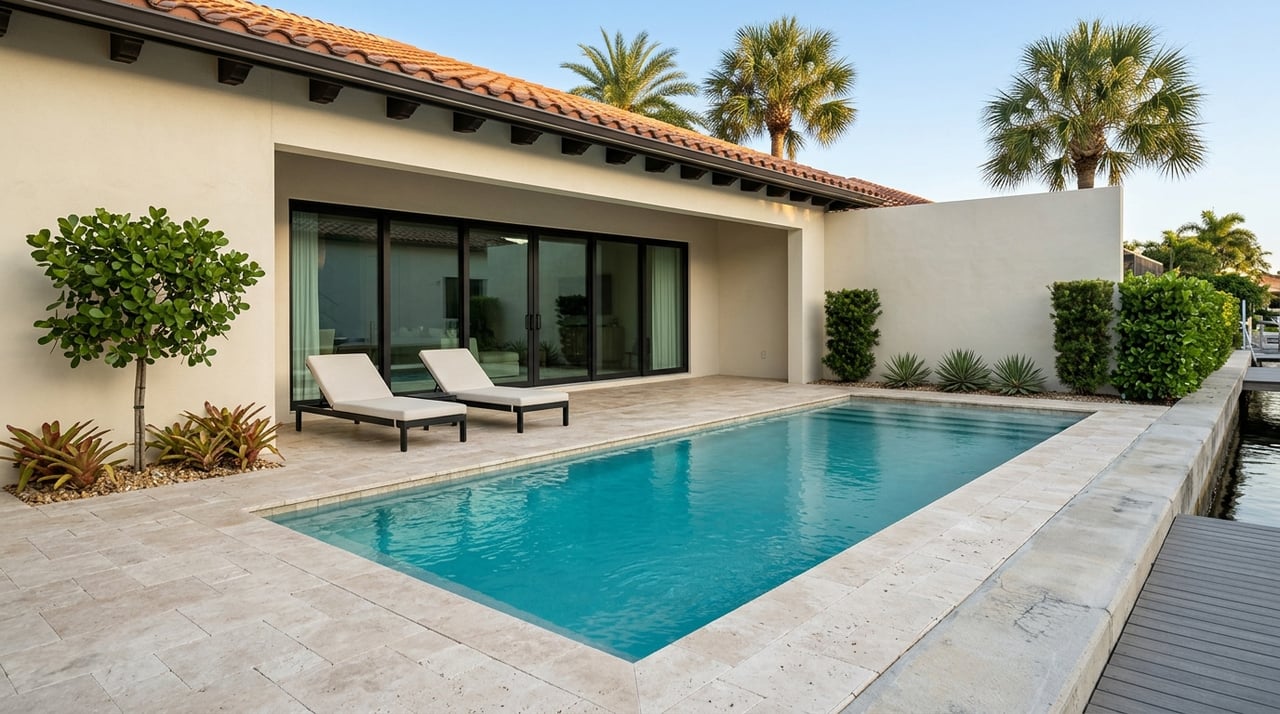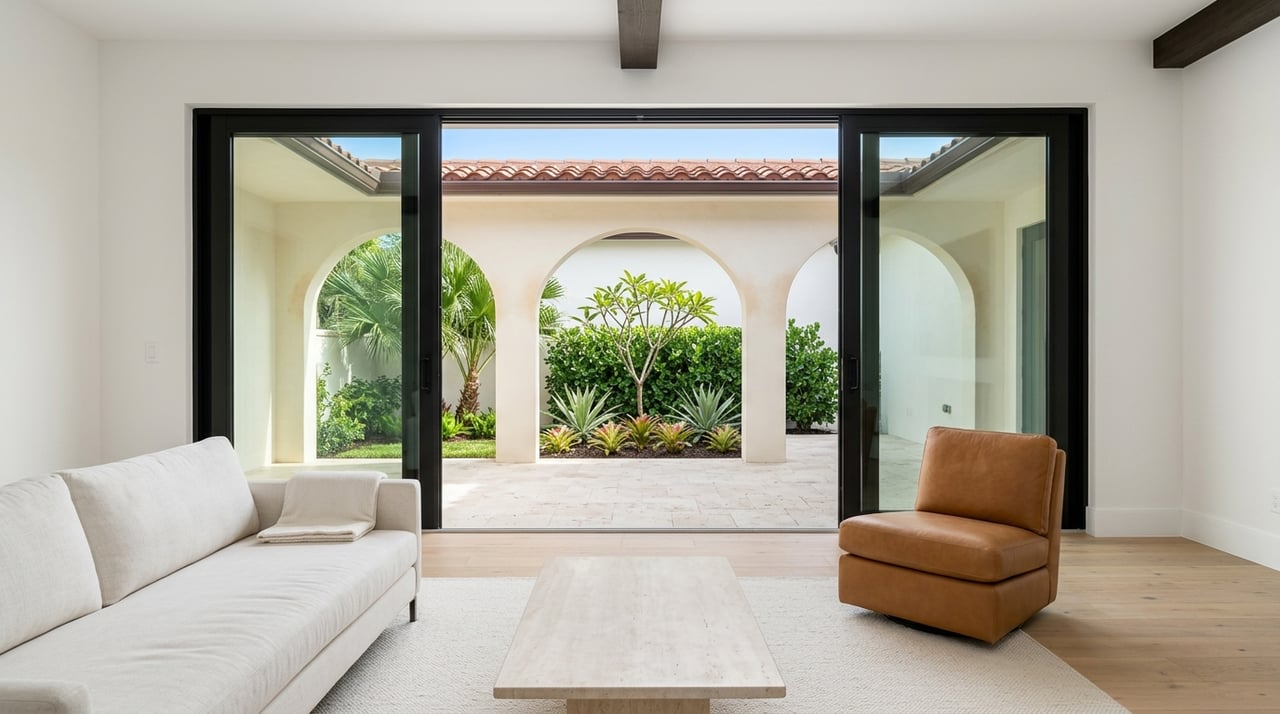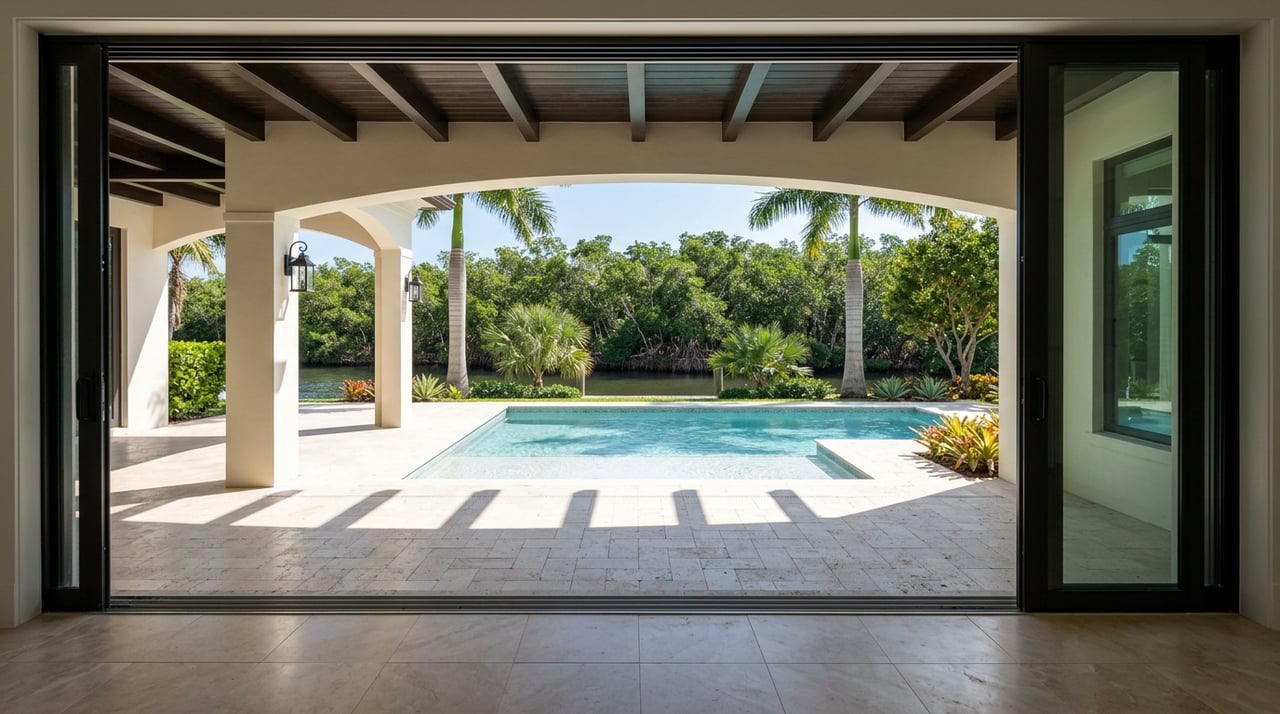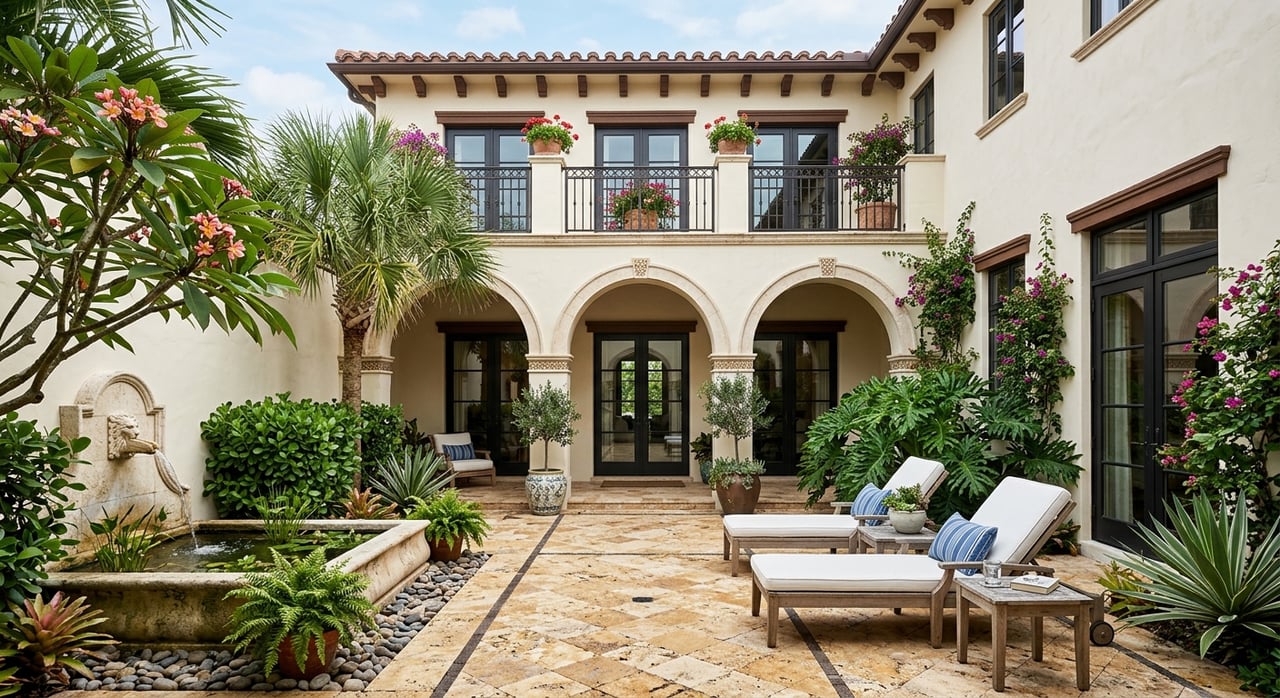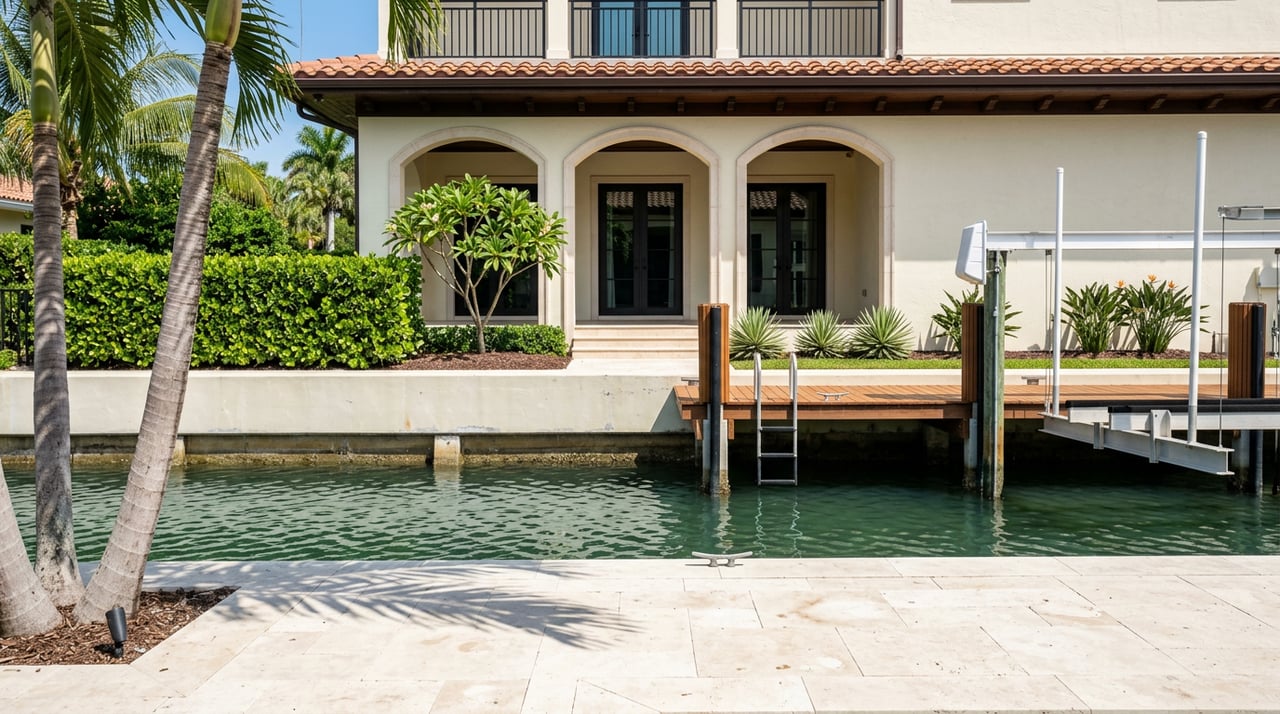
If your perfect morning starts with coffee on the lanai and lines off the dock, Bird Key belongs on your short list. This small island in Sarasota Bay is designed for people who want real boating access with in-town convenience. You will learn how Bird Key connects to the Gulf, what to look for in docks and seawalls, and the permits that shape what you can build or rebuild. You will also get a concise buyer checklist to help you confirm a home truly fits your boat. Let’s dive in.
Bird Key at a glance
Bird Key is a manmade residential island set between downtown Sarasota and St. Armands and Lido Key. Many lots front Sarasota Bay or protected canals, which is why the neighborhood is popular with boaters. The private Bird Key Yacht Club on the island adds a clubhouse and marina option for members. If your home does not have a dock, the club and nearby marinas can help you stay on the water.
How you reach the Gulf
Bridge clearance
The John Ringling Causeway is a fixed high-span bridge with about 65 feet of vertical clearance over the Intracoastal. That height allows most powerboats and many sailboats to pass without a bridge opening. If you run a tall-flybridge boat or a big-mast sailboat, plan your vessel choice around the posted clearance and your air draft. You can confirm details in the AARoads guide for SR-789.
Passes and run-time
From Sarasota Bay, the usual exits to the Gulf are Big Sarasota Pass and New Pass. Channel depths and shoaling shift, so always check the latest markers, charts, and tide/current data before you go. Listing language may claim “minutes to the Gulf,” but actual run-time depends on your speed, the route you take, and conditions. For safe planning, consult current NOAA charts such as the regional booklet chart for these waters, available through NOAA’s Lemon Bay to Passage Key Inlet BookletChart.
Waterfront lot types
Bayfront lots
Bayfront homes face open Sarasota Bay and often have wider water frontage. These properties can offer larger docks and big-water views. They tend to command the highest prices in the neighborhood.
Deep-water canal lots
Canal homes sit on protected basins or channels off the bay. Many are designed for larger lifts or slips and offer easier maneuvering in wind or current than open-bay docks. Buyers like the balance of protection and quick access to open water.
Garden or dry lots
These homes do not have direct water access. Owners often join the Bird Key Yacht Club or use nearby marinas for a slip. This can be a smart option if you want a turnkey house without dock upkeep.
What to evaluate on a dock
Seawall and shoreline
Ask about the seawall’s age and repair history. Florida law discourages new vertical seawalls in natural estuaries and favors riprap in many repair cases, with specific exceptions for manmade canals and similar settings. That policy influences long-term plans to raise or replace existing seawalls. You can review the statutory framework in Florida Statutes, Chapter 373.
Dock design and utilities
Note the dock type (pile-supported fixed or floating), the length of waterfront, and the number of slips. Confirm power and water at the pedestals. Many Bird Key listings advertise boat lifts rated from about 10,000 to more than 30,000 pounds, but you should verify the capacity plate, age, and service records for any lift you plan to use.
Water depth and maneuvering
Depth at mean low water is the limiting factor for your draft. Ask for a recent depth measurement or survey and confirm the approach to the marked channel. Also consider the turning basin in front of the dock and any nearby pilings or moorings that affect how you spin or back a larger vessel.
Permits and protections you should know
Who permits docks and seawalls
Waterfront work can involve the U.S. Army Corps of Engineers, the Florida Department of Environmental Protection, and local building departments. Florida participates in a State Programmatic General Permit that streamlines many routine residential docks and shoreline projects, but it includes design and size limits, and it adds protections where sensitive habitats exist. Before you assume you can enlarge or rebuild a dock, request the property’s approvals and any programmatic verifications. Review the USACE SPGP overview to understand how it applies to single-family docks.
Seagrass and habitat
Seagrass presence can shape where and how you build. It may affect piling spacing, dock height, and whether mitigation is required. Sarasota County tracks seagrass in local bays. If you are planning a project, check the latest resources on Sarasota County’s seagrass monitoring page.
Submerged lands and riparian rights
On some parcels, the state may manage the submerged lands under the water where a dock sits. Confirm the property’s riparian rights and whether a state submerged-lands lease is in place or required. If you are unsure, request prior permits and title references, then review Florida DEP guidance on federal and state coordination for submerged lands.
A practical buyer checklist for boaters
Use this checklist to confirm a Bird Key home matches your boat and boating style.
- Verify depth at the dock. Ask for a recent measurement at mean low water. Use current NOAA charts and local markers for your planned route, such as the regional booklet chart, and confirm tide and current.
- Pull dock and seawall permits. Request copies of USACE, FDEP, and county approvals, including any SPGP verifications and conditions. The USACE SPGP summary outlines common limits for single-family docks.
- Confirm boat-lift specs. Document the manufacturer, rated capacity, age, and service history. Inspect electrical pedestals for 30A or 50A service and overall condition.
- Check maneuvering room. Measure usable width in front of the dock, confirm the distance to the marked channel, and note any fixed obstructions.
- Assess seawall condition and policy. Review inspection or repair records. Florida policy often favors riprap for repairs in estuaries. See Chapter 373 for the legal context.
- Review flood and insurance details. Pull the home’s flood zone, elevation, and insurance history. Lenders often require flood coverage on waterfront properties.
- Confirm riparian and submerged-lands status. Ensure the dock is authorized and that any required state lease is in place. Start with FDEP’s submerged-lands coordination guidance.
- Line up marina alternatives. If the dock is limited or you buy off-water, consider Marina Jack and other nearby facilities for slips and services. You can review services at Marina Jack’s listing.
Why Bird Key works for boaters
Bird Key blends protected canal basins, bayfront views, and an on-island private yacht club with a location close to downtown dining and Lido beaches. Many homes have the dock size and utilities that active boaters expect, and the high-span Ringling Bridge removes most fixed-bridge limits for day trips on the bay. The right property for a 24-foot center console is different from the best fit for a 65-foot motor yacht, so let property-specific measurements guide your search.
Smart strategy for your search
Start with your vessel specs, not just house wish lists. Draft, beam, air draft, slip length, and turning room become your critical path. Bring recent permits, a dock inspection, and any depth measurements into price and terms, since repair or rebuild scope can affect value. If you plan future dock work, align designs with SPGP standards and local habitat conditions early in the process to avoid delays.
Ready to explore Bird Key with a valuation-first advisor who understands boating and permits as well as luxury homes? Reach out to Priya Acharya PLLC to schedule a personalized consultation and map a search around your boat and lifestyle.
FAQs
Can I keep a 60 to 70 foot yacht behind a Bird Key home?
- Possibly, but confirm depth at mean low water, dock length, turning room, and that permits authorize a slip for that vessel size before you buy.
What is the bridge clearance near Bird Key for planning my air draft?
- The John Ringling Causeway provides about 65 feet of vertical clearance, which suits most powerboats and many sailboats; verify your air draft against the SR-789 guide.
How long does it take to reach the Gulf from Bird Key?
- Run-time varies by vessel speed, tide, and pass conditions; review current NOAA charts and markers for Big Sarasota Pass and New Pass using the regional booklet chart.
If a storm damages a seawall, can I replace it like for like?
- Repairs are common, but Florida law restricts new vertical seawalls in many estuarine settings and may favor riprap; check permit requirements under Chapter 373 first.
Does Bird Key Yacht Club membership guarantee a marina slip?
- Slip policies can include assignments and wait lists, so confirm current rules and availability directly with the Bird Key Yacht Club before you rely on a space.